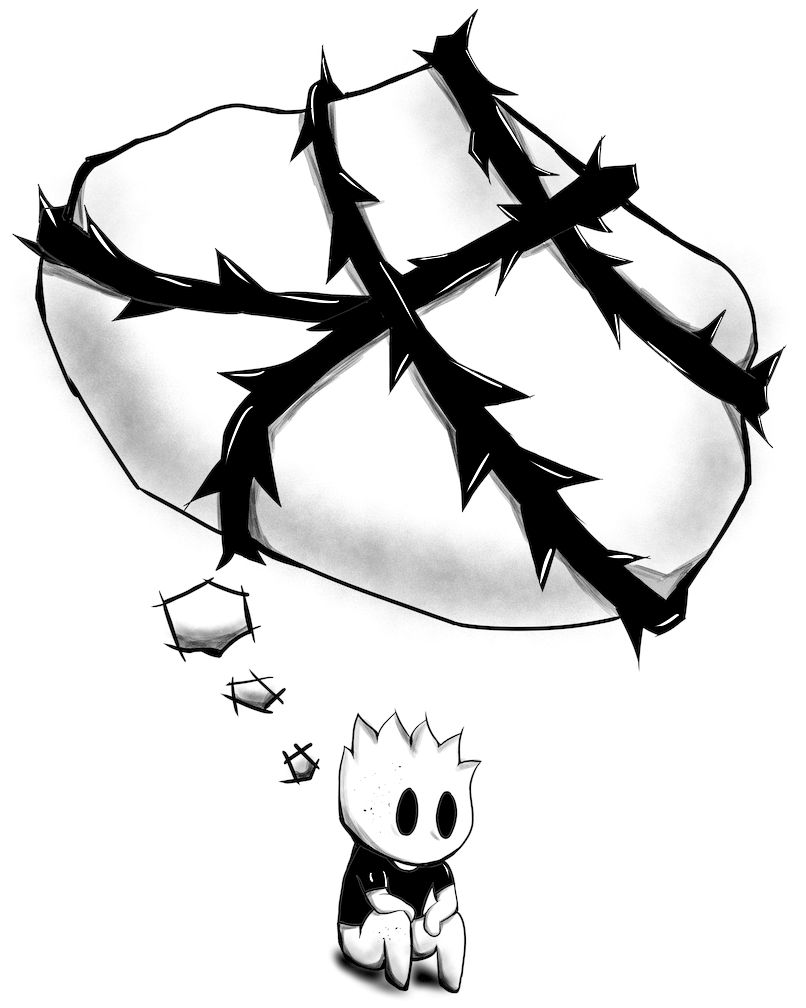

There are too many problems with the concept of consciousness. We don’t understand it; we can’t understand it.
Our attempts to comprehend, to define, the concept of consciousness is like a honey bee attempting to explain flight. It can’t; it just flies. Therefore a human, with a human brain, cannot describe consciousness because it just is; it’s all we’ve known. Attempts to truly comprehend exsistance without consciousness just causes headaches.
The mental knots that result from pretending to know what it means only result in speculations because consiousness can’t comprehend unconsciousness without being self-aware, thereby preventing it from the truth, and unconsciousness can’t describe its existence without being self-aware defeating the truth of what being non-aware is like.
I’ve heard consciousness defined as the ability to recall past actions. For example, if one just went through life, making decisions based on the now, that person would be unconscious. But if that same person could remember its previous decisions and the outcomes, aka, memories, then that person is consciously aware of their exsistance based on past actions and repercusions.
In short, consciousness is the ability to remember. If we couldn’t remember what we’ve done before, we would just make decisions and move on because we sure wouldn’t remember that decision to evaluate wether it was right or wrong. According to the Theory of Evolution, poor decisions eventually lead to death, and better decisions have a greater chance of surviving.
However, along comes our ability to remember the result of our previous choices and the choices of others, and if those choices lead to harm, we could alter our instinctive choice in hopes that a different one would have better outcomes. This drives the conscious being to accelerate the evolution of its species without growing in pace with its environment.
This explosive growth leads to imperfections. Flawed members of the species can continue to live and procreate because there’s a library of knowledge on the decisions that are the best, even when they might want to do something different. This collective knowledge, i.e., memories, increases the survival chances of all, even those fringe elements that would likely have died from poor choices.
I’m in the pool of poor choices.
I’m a lazy, obsese, poorly sighted, unconstructive drain on natural resources. However, I’m still allive. In the natural world, I would have easiely died before I was 16 years old. But no. I’ve continued to live for more than half a centry, long enough to have children and bring misery to many around me. I shouldn’t be here, but our collective awareness teaches us that to kill others just because they are of no great benefit is not nice. And we so very much want to been seen as nice; otherewise, our consciousness will repeatedly replay the less desirable memories in our head, for no reason, it just does.
That’s the problem with consciousness: judgement. Instead of just rememoring if a choice lead to an improved or worse chance of living, we judge it. Was it a good choice, an ethical choice, a moral choice, a kind choice, a forgiving choice, an unselfish choice, a noble choice … an unembarassing choice? During an extremely hot day, the logical, unconsicious choice is to shed all coverings, i.e., clothes, to improve the body’s ability to regulate temepreature. However, the conscious choice is to not do anything that’s potentially embarassing, so conscious judgement prevents the logical choice.
To live in the moment without fear of future judgement is the bliss only known to the unconcious or psychopathic. We often find the actions of psychopathic, sociopathic, narcissistic, even autistic, people to be shocking. To varing degrees such people do not include the opinions of others within their choices. They act in the moment.
The psychopathic may show no care when they fire you, because your struggle isn’t part of the decision, just business. The sociapathic person doesn’t consider their lies problematic if it successfully encouraged you to give them what they wanted. The narcissic person doesn’t consider your opinion valid because they will always be better and smarter than you. The autistic person doesn’t consider any exsisting conversations when they decide to openly share what they are currently thinking without context.
Such people are able to live without the fear of conscious judgement. I would think that such a life would be liberating: to have even one moment when I could go with my gut feeling and never have fear that my conscious memory will keep replaying it in my head with judgmental commentary, for decades even.
Recently I decided to a hug a stranger. We got to chatting, shared a mutal understanding of how to address the woes of the world, and I just felt compelled to leave with and handshake and a “manly” one-arm hug. Now, logically there’s nothing wrong with that, as a matter of a fact, it’s a more possitive way to show caring about a fellow human being as a genuine good person. Then why in the holy hell won’t my conscious mind stop making fun of me for it?
That’s the undesired byproduct of consciousness: the ability to be judgemental of choices. I’d love to make a decision in the moment, to go with my gut, to be honest, genuine, take action and mean it, without the constant bareatment of “you embarassed yourself, you looked funny, everyone else thought you were being wierd, you should just mind your own buisness and stop engaging with other people because they’ll just make fun of you, …”.
Yep, that’s life in my head, and it sucks. Why can’t I have a version of consciousness that remembers but doesn’t judge? But to remember and not think of current or previous decisions as potentially problematic is considered a mental health disorder. In many ways, I’d welcome such a disorder if that meant I could experience bliss, to sleep without torturous dreams, to act without fear. In all likelihood, I’ll never get to enjoy such bliss because consciousness won’t let me.